
Protein Snacks for Teenagers (Organized By How Much Protein They Have)
Inside: I’m a registered dietitian-mom, and here are 30+ protein snacks for teenagers, organized by protein amount. Plus, I answer your most common questions about teens, protein, and protein powder.
If you have a teenager in your house, you’re probably familiar with “second dinner”.
It might be consumed late night, after you’ve gone to bed, with a pile of dirty dishes left behind. Or it might be a big ol’ peanut butter and jelly sandwich made approximately 90 seconds after eating a full plate of dinner.
Teenagers are hungry. All the time. And there’s a good reason for that: They’re going through an incredible amount of growth and changes. Their bodies need fuel, including protein, to keep up.
Protein happens to be one of the most filling nutrients, which means protein-rich snacks do a better job of holding them over until the next meal than, say, a handful of chips.
But here’s something that might surprise you: Most teenagers already get enough protein for basic health. So this isn’t about protein-maxxing like the fitness bros on TikTok. It’s about making sure teens have satisfying snacks that fuel physical activity, support their growth, and actually keep them full.
That’s why most of the protein snacks on this list are built around real, whole foods–think yogurt, eggs, cheese, beans, and nuts–rather than protein powders and bars. Whole foods come packaged with other nutrients teens need too, like calcium, iron, and fiber. Protein powder makes a cameo here and there, but it’s not the star of the show.
(That’s also why we’re not obsessing over exact grams of protein either. I’m organizing them by amounts to give you a general idea.)
Whether your teen is playing sports, going through a growth spurt, or just constantly raiding the kitchen, here 30+ easy protein snacks for teenagers, organizd by how much protein they contain. Plus I’m answering the questions parents ask most about teens and protein.
How much protein do teenagers actually need?
Here are the minimum amounts to meet basic needs (called Recommended Daily Allowances or RDA) for teens:
- Ages 9-13: 34 grams
- Ages 14-18: 52 grams (boys), 46 grams (girls)
The reassuring part is that most teenagers already meet these needs. Government surveys show that teen boys average around 86 grams per day, and teen girls around 62 grams, both well above these minimums.
One exception: Teens, especially girls, who are restricting calories for weight loss may fall short. If that’s a concern, talk to your pediatrician or a registered dietitian.

Protein snacks with 5-9 grams of protein
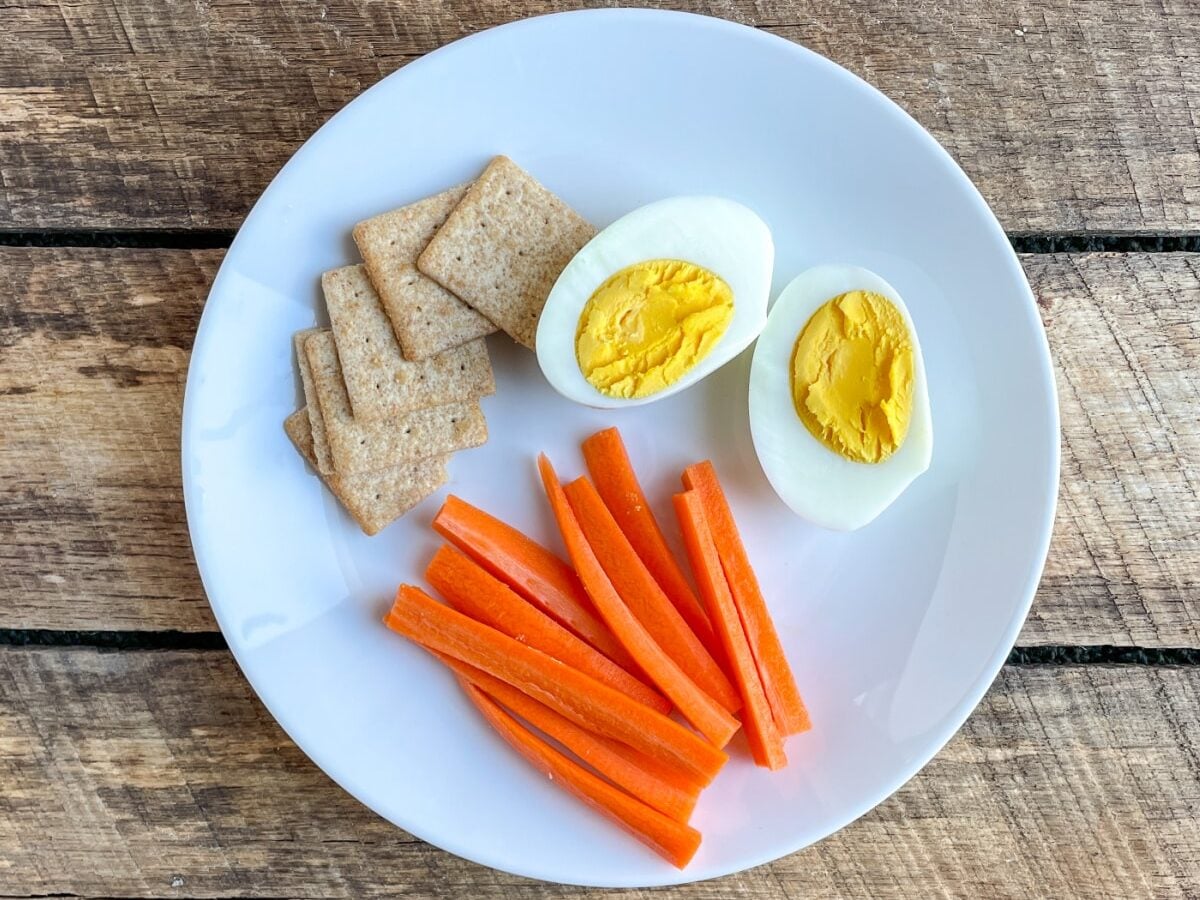
- Hard-boiled egg: Both the white AND the yolk contain protein, so don’t skip the yolk.
- Cheese stick: Easy, grab-and-go, and a good source of calcium too.
- 1/4 cup peanuts: Affordable and packed with protein, plus vitamin E and fiber.
- 1/4 cup sunflower seeds: Eat plain or sprinkle into granola or trail mix.
- 1/2 cup pistachios: This nut is a complete protein and one of the highest-protein nuts.
- 1/4 cup soy nuts: These are roasted soybeans, and they’re crunchy and surprisingly protein-packed at about 9 grams per handful.
- 2 tablespoons hummus + 1/2 whole wheat pita: Whole grains tend to have more protein than refined grains do.
- Peanut Butter Spoon: Scoop a spoonful of nut or seed butter, dot with chocolate chips (or another favorite topping). Done.
- Bowl of shredded wheat cereal with milk: The combo of cereal plus milk delivers protein fast. Check labels since protein amounts vary.
Protein snacks with 10-15 grams of protein
- Babyel cheese + 1- Triscuit crackers: A satisfying combo of protein and whole grain carbs.
- Toaster waffle with 2 tablespoons nut butter: Serve this warm or cold, and top with sliced banana or strawberries.
- 1 cup kefir: This fermented dairy drinks packs protein and probiotics. Drink straight up or use it as the base for a smoothie.
- Scrambled egg + glass of milk (dairy or soy): Simple and filling. Soy milk has about 8 grams of protein per cup, the same as dairy milk.
- 1 ounce beef jerky: Portable, shelf-stable, and about 10 grams of protein per ounce.
- 1/2 cup cottage cheese with sliced fruit: Cottage cheese is a great source of protein, plus calcium.
- 1 cup roasted chickpeas: Buy them bagged or roast your own at 400 degrees F for 20-30 minutes.
- Ham & cheese pinwheel: My kids love these. Customize with whatever fillings your teen likes.
- Bean and cheese quesadilla: Wheat wheat tortilla + refried beans + shredded cheese. Heat in toaster oven or under broiler until melted.
- SunButter banana: Spread a banana with 2 tablespoons sunflower seed butter and roll in 1/4 cup granola.
- 1/2 peanut butter sandwich on whole grain bread: Simple, affordable, easy.
High-protein snacks (15-20 grams of protein)
- 1 cup Greek yogurt with berries: Greek yogurt is strained, so it’s a more concentrated source of protein, with up to 20 grams per cup.
- 1 cup edamame + glass of chocolate milk: Sprinkle the pods with some salt.
- 2 pieces avocado toast topped with 1 fried egg each: Use whole grain bread and spread with mashed avocado for healthy fats.
- Turkey sandwich: 1 slice deli turkey, 1 ounce cheese, mustard, and lettuce on 2 slices whole wheat bread.
- Peas + Parmesan: Peas are a surprising source of protein.
- Tuna salad with crackers: Make tuna salad from 1 pouch tuna and serve with six Triscuit crackers.
- 1 cup chickpea pasta: It’s got about 50 percent more protein than regular pasta, plus more fiber.
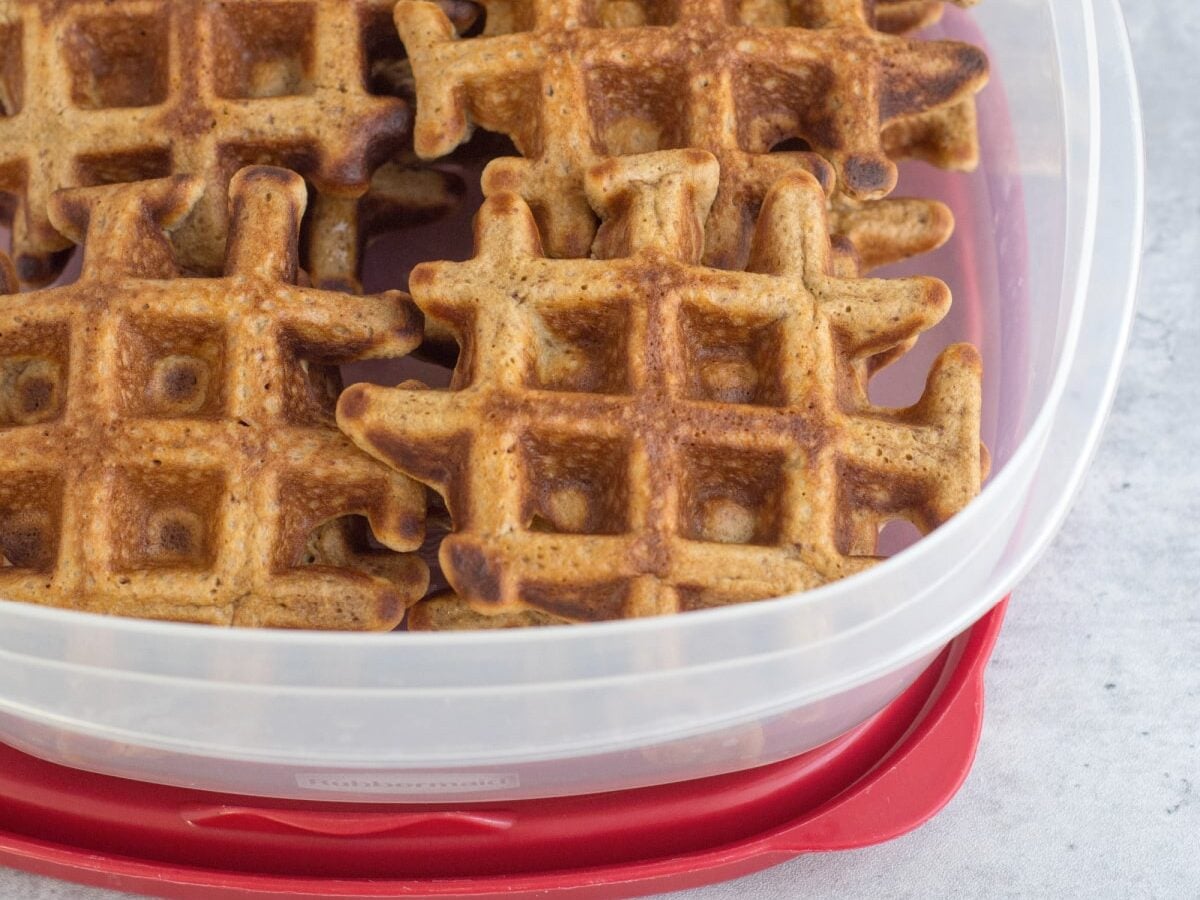
- Protein waffles + milk: Two of my protein waffles have 15 grams of protein, and a glass of milk adds another 8 grams.
- Chocolate Peanut Butter Cereal Smoothie Bowl: It’s a smoothie you eat with a spoon.

Note: A few snacks in this section include protein powder as an easy way to boost protein, especially useful for teen athletes or very hungry, busy teens who need quick nourishment. If you do use protein powder, look for powders with shorter ingredient lists and no artificial ingredients. And consider using less than the full serving size suggested on the label, since one scoop goes a long way, especially when mixed with milk.
Here’s my personal favorite brand of protein powder. I love it because it contains just a few ingredients and is very lightly sweetened with actual sugar–no artificial or non-nutritive sweeteners like Stevia.
High-protein snacks (20-30 grams of protein)
- Chocolate protein smoothie: Blend 1 cup mlik with a scoop of chocolate protein powder, and a banana
- Chicken roll-up: Add 2 ounces chicken, shredded cheese, and salsa to a whole wheat tortilla and roll up. Heat in toaster oven or microwave until melty inside.
- Protein oatmeal: Blend 1/2 cup instant oatmeal with 1 scoop vanilla protein protein powder, add frozen berries and milk to cover, and microwave for 1 minute. Stir well.
- Salmon salad: Top a green salad with 1 pouch salmon
- Yogurt bowl: Mix 1 cup Greek yogurt with 1/2 scoop protein powder, top with fresh berries and granola.
Note: Protein amounts in these lists are estimates based on USDA FoodData Central and product labels. Your specific brands may vary. I don’t recommend obsessing over or counting every gram. My lists are just to give you ideas for healthy snacks for teenagers that contain protein.
FAQ: Protein and Teenagers
Do most teenagers get enough protein?
Yes. Most teens get more than the minimum requirements because protein shows up in so many everyday foods. For most healthy teenagers eating a varied diet, protein deficiency isn’t usually a concern.
Do teen athletes need more protein>
Yes. Teen athletes need roughly 0.8-0.9 grams of protein per pound (that’s 104-117 grams of protein for a 130-pound teenager). The best strategy is to spread protein throughout the day rather than loading up at one meal, and aim for a protein + carb combo after workouts, like yogurt with fruit or cereal with milk.
Does extra protein build more muscle?
Not exactly. Muscles get bigger through exercise, primarily strength training, not from eating more protein. If teens eat more protein than they need, it’s not store as extra muscle. It’s used for energy or stored as fat.

Is protein powder safe for teenagers?
Protein powder is definitely convenient, but many powders have lengthly ingredient lists that include herbal supplements and artificial sweeteners. Whole foods are a better choice most of the time. But if your teen wants to use protein powder, look for shorter ingredient lists and encourage using less than the full serving size. You’ll save money that way too–most powders are a bit pricey. This is the brand of protein powder that I use and like. (I’m an affiliate for this brand, and you get a discount if you use my link.)
Can teens get too much protein?
Yes, especially if they’re eating a typical diet and adding protein shakes and bars on top. Too much protein can be dehydrating and may be stored as fat. There’s evidence that the body can only use about 25 grams of protein at one time for muscle building, so more isn’t always better.
What if my teen doesn’t eat meat?
No problem. Plenty of non-meat foods are rich in protein: dairy, eggs, beans and lentils, soy foods like tofu and edamame, whole grains, and even some vegetables like peas. Vegetarian and vegan teens can absolutely meet their protein needs. They just need to include rich sources regularly.
What’s the best way to stock the kitchen?
What I’ve learned from feeding two teens is that snacks have to be easy and quick. So keep grab-and-go options front and center like individual cups of Greek yogurt, cheese sticks, hard-boiled eggs, milk, pouches of tuna or salmon, frozen edamame, and homemade items like Protein Pancakes stored in the freezer. When protein-rich foods are easy, teens are more likely to actually eat them.
More Posts about Protein and Kids
- Need more healthy snack ideas? Here are snacks for teen athletes and 100+ healthy snacks for teenagers who are always hungry
- Need portable ideas for lunchboxes? Here are 50 non-meat protein foods for lunch boxes.
- Looking for breakfast inspiration? Here are protein-rich breakfasts for kids.


