
A Mom’s Guide To Fiber: Everything You Need To Know
Inside: Fiber is suddenly trendy. Here’s what you need to know about how to get enough.
Five words I didn’t expect to ever say: Fiber is hot right now.
For years, fiber was overshadowed by trendy nutrients like protein and fat.
But TikTok changed all that. People started posting videos about “fibermaxxing”–showing how they meet (or even exceed) their daily fiber needs.
So now fiber’s finally getting the attention it deserves–which is fantastic, since most kids and grown-ups only get about half the recommended amount each day. Here’s everything you need to know.

Why fiber’s so good for you
It’s filling: Fiber-rich foods tend to take longer to chew, which makes more saliva and gastric juices that cause the stomach to expand. Fiber also soaks water and swells like a sponge, which sends a signal to the brain that you’re full.
It’s great for your gut: The body can’t digest fiber–but the beneficial bacteria in your gut can. These bacteria break down fiber to use for fuel, which helps them thrive. That healthy bacteria in your gut helps your body digest what you eat, make vitamins, absorb nutrients like calcium, and crowd out harmful microbes that can cause illness. The health of your gut also affects your immunity, risk for disease, and even body weight and mental health.
It protects your health: Rates of colon cancer are increasing among younger people, and a high-fiber diet may help protect against it. Fiber is also linked to lower risk for high blood pressure and type 2 diabetes. Plus, fiber naturally lowers cholesterol, especially soluble fiber which forms a gel in the digestive tract and pulls some cholesterol out with it.
It keeps you regular: There are at least 2.5 million doctor visits for constipation in the U.S. every year, and Americans spend hundreds of millions of dollars laxatives annually! Fiber works to soften and bulk up the waste in your colon to help it pass.
Here’s how much fiber you need
Most people only get about half the amount of fiber they need. I’m not a fan of tallying up grams everyday, but these general numbers are good to know when looking at labels. The ranges below are for women (smaller number) and men (larger number).
| AGE | AMOUNT OF FIBER |
| 19-30 | 28-34 grams |
| 31-50 | 25-31 grams |
| 51+ | 22-28 grams |
Here’s how much fiber kids
A rule-of-thumb for children that’s easy to remember is “Age + 5”. For instance, if a child is 10 years old, their fiber goal is 15 grams.
But the Dietary Guidelines for Americans recommends higher amounts. The ranges below are for girls (smaller number) and boys (larger number).
| AGE | GRAMS OF FIBER |
| 2-3 | 14 grams |
| 4-8 | 17 -20 grams |
| 9-13 | 22-25 grams |
| 14-18 | 25-31 grams |
What that looks like in real life
Charts of numbers are all well and good, but what does this look like in actual, everyday food? Here’s what 22-25 grams of fiber looks like.

And here’s what 25-31 grams of fiber looks like.

To see visuals for younger kids, read How Much Fiber Does Your Child Need?
Why you need two kinds of fiber
There are two kinds of fiber, and each one does something unique and important.
- Insoluble fiber acts like a broom, moving waste through the body faster and keeping you regular.
- Soluble fiber forms a gel, softening stool so it’s easier to pass. It also swells in your GI tract, giving you a feeling of fullness.
Most plant-based foods contain a mix of both kinds, but here are some particularly good sources of each type:
| Good sources of insoluble fiber | Good sources of soluble fiber |
| Whole wheat | Oats |
| Potato skins | Apples |
| Beans | Carrots |
| Flaxseed | Peas |
| Green beans | Bananas |
| Wheat bran | Avocado |
| Quinoa | Cabbage |
| Brown rice | Beans |
| Kale | Blueberries |
| Almonds | Oranges |
| Pears | Strawberries |
| Walnuts | Chia seeds |
| Seeds | Lentils |
Fiber troubleshooter
Help! Whenever I try to get more fiber, I get gassy and bloated.
Adding a lot of fiber at once can definitely trigger bloating, gas, and belly pain. So increase your intake slowly, and spread out fiber-rich foods throughout the day instead of getting a whole bunch at one meal or snack. And it’s crucial to get enough fluids, since fiber soaks up water in your intestine.
Help! I eat a ton of fiber, but I’m still constipated.
It’s possible that you’re getting mostly foods rich in one kind of fiber but not the other. For example, some diets like Whole 30 or keto restrict foods rich in soluble fiber, so you’re eating tons of salad but not foods like oats or apples. Without soluble fiber, your system can slow down, and stools may end up getting dried out and hard to pass.
Read more: 10 Healthy Foods That Help Fight Constipation
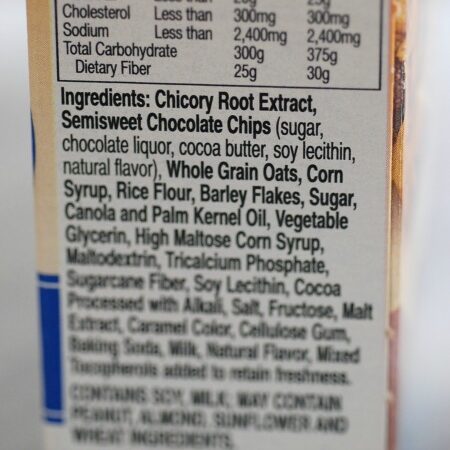
Help! Fiber bars give me belly pain.
It might be due to the kind of added fiber. Many manufacturers use inulin, which is derived from chicory root. It’s the most commonly used added fiber and the very first ingredient in a popular fiber bar and also added to some cereals, granola bars, and supplements. Inulin is broken down by bacteria in the colon, which can cause gas and belly bloat in some sensitive folks (like me!).
Read more about this: Is Chicory Root Giving You Gas?
6 ways to make fiber a no-brainer
- Switch to 100 percent whole grain bread. Others may be a mix of whole and refined flour, or white bread with added fiber. Look for a loaf with at least three grams of fiber per slice.
- Get a fruit or vegetable at every meal and snack. That’s easier than counting up servings. Just be sure to eat the whole fruit or veggie instead of juicing it (that pulpy mess you toss out is the fiber).
- Buy the right cereal. Look for a cereal with at least five grams of fiber per serving, ideally eight.
- Eat beans twice a week. A half-cup of beans has about a third of the fiber you need each day.
- Get a serving of nuts every day. Each one-ounce handful has about three grams of fiber.
- Supplement with psyllium. If you still need some extra fiber to keep things running smoothly, choose a psyllium-based powder like Metamucil or the store-brand equivalent.
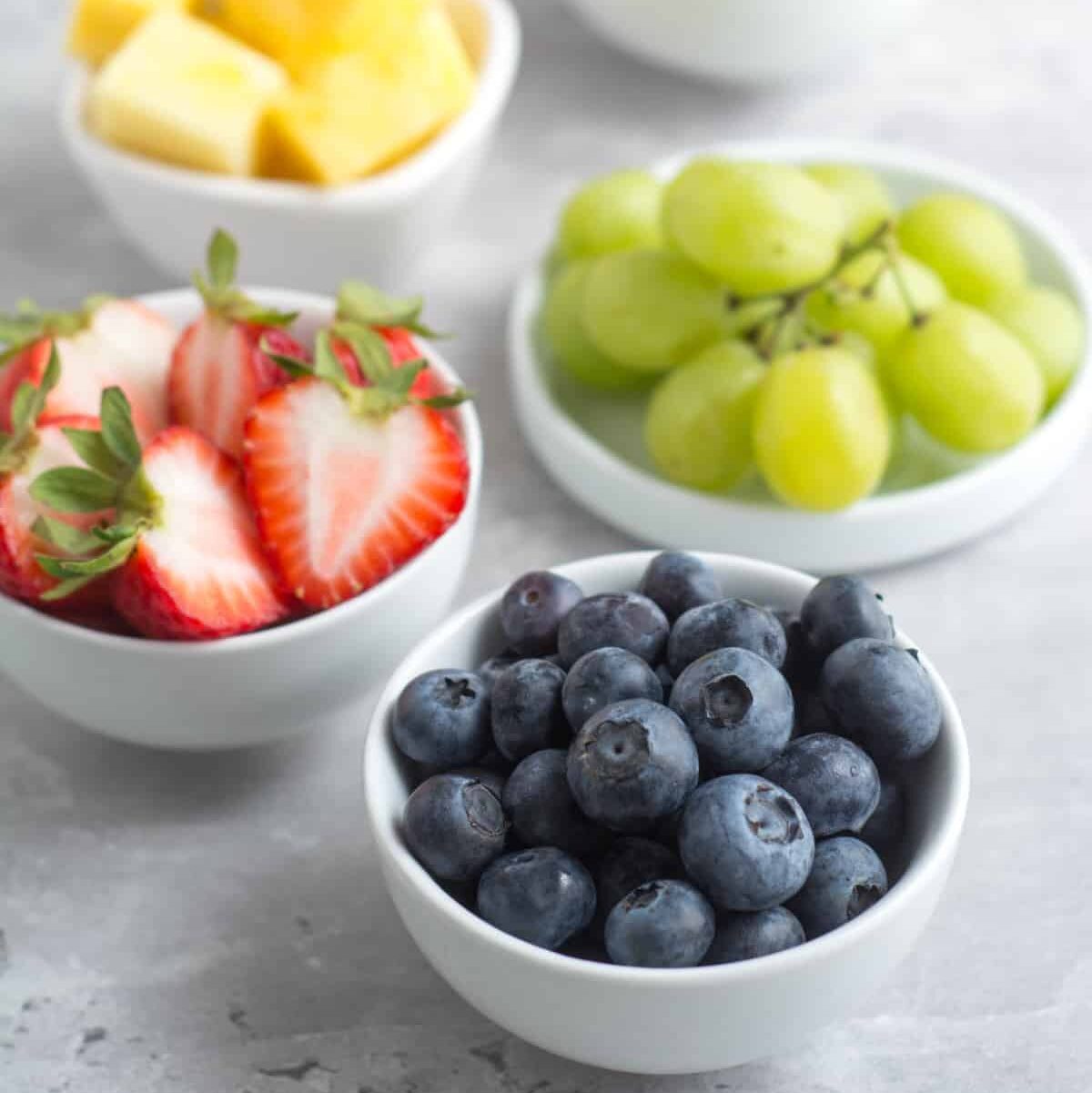
10 swaps to get more fiber
- Top your cereal with frozen raspberries instead of blueberries (extra fiber: 2g)
- Add black beans to your burrito instead of brown rice (extra fiber: 3g)
- Snack on a pear instead of applesauce (extra fiber: 4g)
- Choose a bowl of shredded wheat cereal instead of corn flakes (extra fiber: 4.5g)
- Top your salad with ½ cup chickpeas instead of 2 ounces grilled chicken (extra fiber: 4g)
- Order a whole grain wrap instead of white (extra fiber: 3g)
- Eat a whole orange instead of drinking a cup of OJ (extra fiber: 3g)
- Snack on 3 cups popcorn instead of a 1 ounce of pretzels (extra fiber: 2.5g)
- Eat a plate of whole wheat pasta instead of white (extra fiber: 2g)
- Add 1 tablespoon of chia seeds to your salad instead of a handful of croutons (extra fiber: 4.5g)


